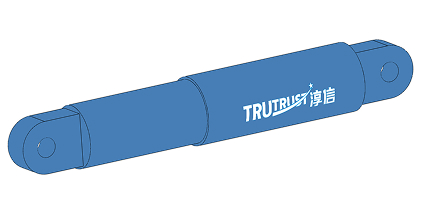
Viscous dampers have been widely used in the field of engineering structures in recent years due to their excellent wind resistance, seismic (vibration) resistance, and economy. Its application areas include:
Civil buildings: such as residential buildings, office buildings, shopping malls, and other multi story high-rise and large-span building structures
Lifeline engineering: such as hospitals, schools, urban functional buildings, etc
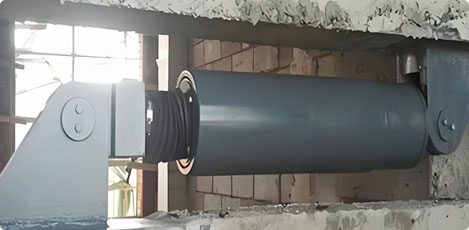
Industrial buildings: such as factories, towers, equipment vibration reduction, etc
Bridges: such as pedestrian bridges, elevated road bridges, etc
military industry
Pipelines and valves in industries such as nuclear power, thermal power, petrochemicals, and steel
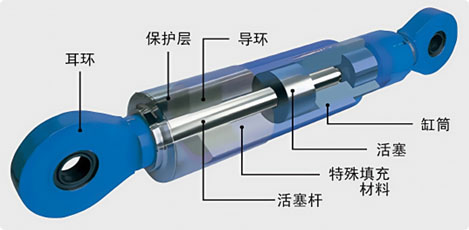
Viscous dampers are generally composed of a cylinder, piston, damping channel, medium (viscous fluid), and guide rod. When the engineering structure deforms due to vibration, relative motion occurs between the piston and cylinder of the viscous fluid damper installed in the structure. Due to the pressure difference before and after the piston, the viscous fluid passes through the damping channel, generating damping force and dissipating the vibration energy input to the structure from the outside, achieving the goal of reducing the structural vibration response.
Contact our team for customized vibration control solutions.